
We spend months negotiating contracts. But do we spend enough time understanding the people delivering them?
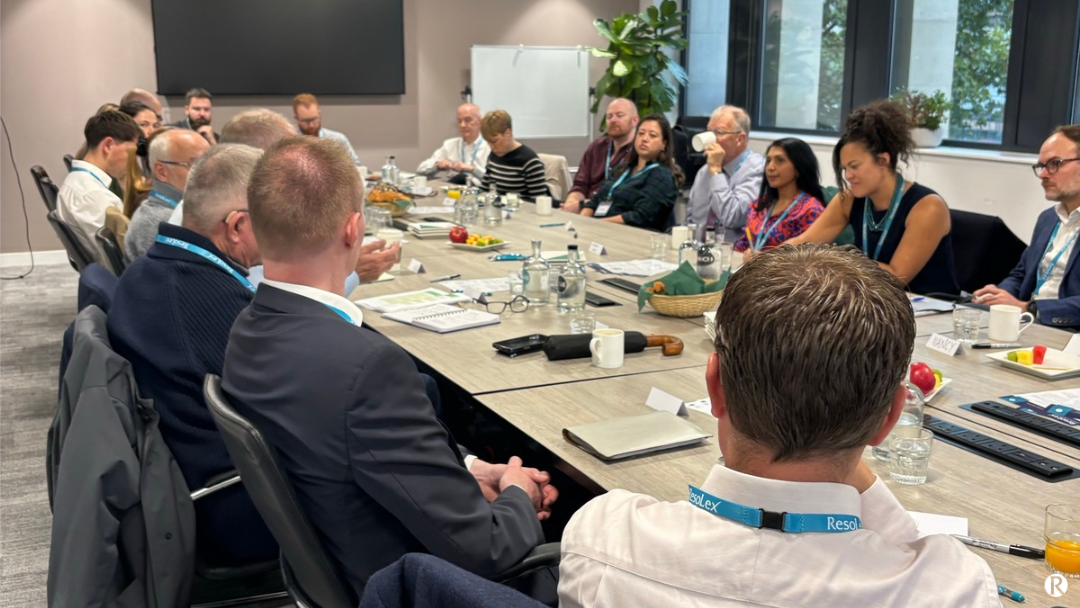
On the 20th of October, we brought together clients, contractors and consultants for a roundtable tackling a familiar disconnect: what works on paper doesn’t always work in practice.
The shared view on why? Contracts set the rules of the game, but people decide how it’s played. Success comes down to the relationships behind the contract.
Everyone agreed that process, governance and commercial terms are important. They need to be clear, and the foundations need to be solid. But they only hold up when the team trusts each other, and when people are empowered to use their judgement once things become challenging.
Six key themes stood out:

The human reality: what happens under pressure
Every project runs on two contracts. One is commercial. The other is social: the unwritten expectations about what’s fair and how we treat each other. Under pressure, people fall back on what feels safe. They revert:
- To type. Habits and instincts take over. Some push harder, others withdraw. Some focus on relationships, others on facts. If the team doesn’t understand these responses, tension escalates.
- To the organisation. People protect their own side. They can assume others are working against them, rather than recognising they have their own legitimate pressures.
- To the contract. The contract must be used, but too often it’s the first move instead of the follow-up to a conversation. People often try to be ‘right’, rather than try to move forward. You can ‘win’ on paper and still lose the project. Disputes bring higher costs, long delays, and deteriorated outcomes.
So why does this keep happening? Those in the room spoke about their experiences:
- People are scared of getting it wrong.
- Structures, recruitment processes and incentive schemes turn leaders into ‘heroes’, and lead heroes to burnout and often inevitable failure.
- We train people on how to execute a process or manage a contract, but not how to deal with conflict. The human side is learnt on the job.
- The project profession struggles to attract new people, especially in traditionally male environments like construction, and is often seen as adversarial. More diverse thinking, leader self-awareness, and courage at every level would help break the cycle.
- No practise. Teams that haven’t worked together fall apart under pressure. Learn to row together slowly before you race.
Preparing for Reality
Pressure is inevitable, but what if we were better prepared for it?
Start at contract setup by agreeing what collaboration means in practice. Build structures that let people decide and trust their judgement. Train people to understand one another, their pressures, and how to handle conflict and, above all, bring humility and learn to spot when you might be the problem.
After all, we are complex humans delivering complex infrastructure.
A checklist for your project
How many can you honestly tick for your project today?
- We are clear on the basics: what we are buying, why, and how much for.
- We agreed what we want to achieve together, at a level we ccan deliver to
- We have agreed what collaboration means to us, and how we will do it
- Our governance is good enough, and no more
- People have the confidence to use their professional judgement within limits.
- We gave trust from the start
- We notice early signs of conflict and deal with all sides of it
- We encourage humility and self-awareness
- We built the team on purpose; we practised under low pressure before the pace picked up
To explore this topic further, contact Joanna Jarvie, Associate Director at ResoLex.
